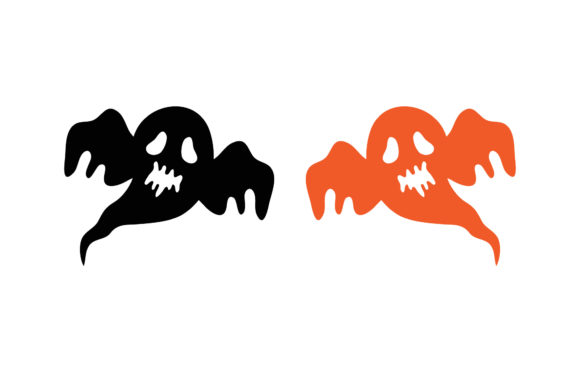
Halloween Ghost Assets: An Embroidery Review
As a professional embroidery digitizer and product reviewer, I approach every new graphic asset with a specific question: will this actually stitch out cleanly on fabric? When evaluating the Halloween Ghost Asset Illustrations, my first impression is that these graphics possess a charming, versatile aesthetic that bridges the gap between spooky and sweet. The visual personality feels nostalgic yet modern, making it an excellent candidate for a wide range of seasonal merchandise. However, moving from a 1920 px by 1280 px digital canvas to a physical textile requires careful consideration of line weight, detail density, and fabric interaction.
These illustrations are provided in AI, EPS, SVG, DXF, and JPG formats. For embroidery professionals, the vector-based AI and EPS files are the gold standard. They allow us to manipulate nodes and adjust line thickness before digitizing, ensuring the final machine embroidery design respects the integrity of the original art while functioning mechanically on a hoop. The high-resolution JPG serves as a perfect reference for color matching and creating printable mockups for client approval or Etsy listings.
Real-World Application: The Custom Sweatshirt Test
To truly judge the viability of these Halloween Ghost Asset Illustrations, I mentally placed them into a current production scenario: a custom embroidered sweatshirt for a boutique fall collection. Sweatshirts are a staple for small shop products and holiday gifts, but fleece presents unique challenges due to its texture and stretch.
In this real-case scenario, the ghost illustration works exceptionally well as a left-chest placement or a centered back design. The shapes appear bold enough to withstand the pile of french terry or heavyweight fleece without getting lost. If I were producing this handmade product, I would likely utilize a combination of satin stitch for the outer contours and fill stitch for the interior body. This contrast in stitch types adds tactile value to the finished product, elevating it beyond a simple print.
For an Etsy seller or craft business owner, this specific application highlights the commercial potential of the asset. The design’s mood strikes the right balance for adult apparel—it isn't overly juvenile, which expands your target demographic. When customers see a clean, professional stitch-out on a sweatshirt, it builds trust in your brand consistency and justifies a higher price point compared to generic vinyl transfers.
Evaluating Stitch Clarity Across Different Products
Versatility is key for creative entrepreneurs who need one asset to serve multiple purposes. Beyond apparel, I evaluated how these graphics would perform on other popular substrates like tote bags, tea towels, and baby items.
- Tote Bag Design: Canvas tote bags provide a stable, flat surface ideal for detailed embroidery. The Halloween Ghost Asset Illustrations would translate beautifully here, allowing for intricate running stitch details or decorative accents that might be risky on stretchy knits. This is a prime opportunity for personalized gifts or farmers market merchandise.
- Baby Embroidery: For nursery decor or baby clothes, the softer lines of these illustrations are a major advantage. Sharp, jagged edges can feel harsh on infant wear, but these assets have a rounded, friendly geometry. When digitizing for baby items, you can reduce stitch density slightly to prevent the fabric from becoming too stiff or heavy, ensuring the garment remains comfortable.
- Embroidered Patches: The distinct silhouettes in this graphic pack make them strong candidates for patches. A patch requires a dense border and solid fill; the composition of these ghosts supports that structure naturally without requiring extensive redrawing.
- Kitchen Textiles: Tea towels and aprons are classic holiday embroidery projects. The high contrast of white thread on dark fabric (or vice versa) using these assets creates immediate visual appeal and recognition, essential for seasonal decor sales.
Critical Caution Areas for Makers
While the Halloween Ghost Asset Illustrations are robust, no design is immune to physics. As an experienced reviewer, I must highlight where caution is necessary to protect your reputation and materials.
Small Hoop Sizes and Tiny Details: If you plan to resize these illustrations down to a 2x2 inch hoop size for sleeve cuffs or hat brims, scrutinize the facial features and any internal linework. Vector graphics often contain details that look crisp on screen but turn into thread nests when stitched at miniature scales. You may need to simplify the design, removing fine running stitches and relying solely on shape definition.
Textured and Stretchy Fabrics: On highly textured fabrics like boucle or ribbed knits, fine details disappear. Use a water-soluble topping to keep stitches visible. For stretchy performance wear, ensure your stabilizer choice matches the fabric's elasticity to prevent puckering around the ghost shapes. Distortion kills the professional look of custom apparel.
Dark Fabric Contrast: White thread on black fabric is classic Halloween, but it requires careful tension management. Dark threads show lint and needle holes more readily. Always test your thread colors on a scrap of the actual project fabric before committing to a full run. What looks good in a digital preview might lack pop in reality.
Professional Workflow and Designer Notes
Integrating these design assets into a commercial workflow requires diligence. Whether you are selling digital embroidery files or finished goods, follow these practical steps to ensure success:
- Verify Licensing: Before listing any finished product or digital derivative, confirm the specific license terms for these Halloween Ghost Asset Illustrations. Ensure you have the rights for commercial embroidery and digital resale if applicable.
- Test Stitch-Outs Are Mandatory: Never sell a new design without stitching it first. Check for jump stitch efficiency, trim counts, and registration issues. A test run on scrap fabric saves expensive blanks and customer refunds.
- Mockup Accuracy: Use the included 1920x1280 JPG to create realistic printable mockups. However, do not rely solely on software rendering. Photograph your actual test stitch-out for your Etsy listings or social media. Buyers engage more with photos of real thread than digital simulations.
- Stabilizer Selection: Match your stabilizer to the end use. Cut-away for permanent support on apparel, tear-away for stable woven goods, and wash-away for lace or freestanding applications. The wrong stabilizer undermines even the best digitizing.
- Color Palette Planning: Plan your thread colors in advance. Classic orange, black, and white are safe, but consider muted terracottas, sage greens, or cream tones for a modern, boutique aesthetic that differentiates your small shop product from mass-market competitors.
Final Verdict on Value and Usability
The Halloween Ghost Asset Illustrations represent a solid investment for makers who understand the translation process from screen to stitch. Their strength lies in their balanced composition—detailed enough to be interesting, yet simple enough to be durable. For the apparel decorator, they offer reliable seasonal inventory options. For the digital product seller, the vector formats provide a flexible foundation for creating unique embroidery files.
Ultimately, the value of this graphic pack is realized through execution. By respecting fabric limitations, testing rigorously, and applying thoughtful digitizing techniques, you can transform these digital illustrations into high-value, tangible products that delight customers and strengthen your brand this Halloween season. Remember, in embroidery, the best design is one that stitches as beautifully as it looks on the monitor.