The Crazy Bad Clown Illustrations: An Embroidery Review
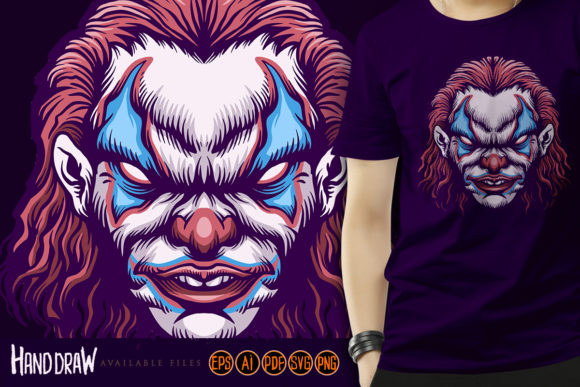
As a professional embroidery designer and product reviewer, I approach every new graphic asset with a specific question: will this actually stitch out well on fabric? When evaluating The Crazy Bad Clown Illustrations, my first impression was that these vector graphics possess a distinct, edgy personality that separates them from generic clip art. The mood is undeniably bold, leaning into an alternative aesthetic that feels perfect for niche markets rather than traditional nursery decor. For crafters and Etsy sellers looking to expand their inventory beyond standard cute designs, this collection offers a unique visual hook. However, translating these detailed illustrations into a functional machine embroidery design requires careful planning regarding stitch types and fabric choices.
Translating Vector Art to Stitched Reality
When I look at The Crazy Bad Clown Illustrations, I see high-contrast lines and expressive shapes that suggest a mix of satin stitch outlines and fill stitch interiors. Because these are originally vector illustrations suitable for merchandise like T-shirts and banners, the line work is likely clean and scalable. This is excellent news for digitizers or those using auto-digitizing software, as crisp vectors usually result in cleaner stitch paths. However, the "crazy" and "bad" descriptors imply intricate details—perhaps wild hair, exaggerated expressions, or textured clothing—that could become problematic if scaled down too small.
In a real-world scenario, I envision using these graphics for a custom embroidered patch or a back-piece on a denim jacket. The aesthetic naturally aligns with streetwear, punk-inspired apparel, or alternative holiday merchandise. Unlike soft, pastel clown designs intended for baby embroidery, The Crazy Bad Clown Illustrations demand a bolder presentation. If you are creating a tote bag design or sweatshirt embroidery, the graphic needs enough physical space to allow the needle to define those chaotic features without turning into a muddy blob of thread. The visual personality here is loud, and your stitching strategy must respect that intensity to maintain clarity.
Real-World Application: The Alternative Holiday Sweatshirt
To truly test the viability of this asset, let’s consider a specific project: creating a limited-edition "Anti-Holiday" sweatshirt for a small shop product line. I recently worked on a similar concept where a client wanted something festive but subversive. The Crazy Bad Clown Illustrations would be ideal for this. Imagine placing a large, centered clown graphic on a charcoal grey heavyweight sweatshirt. The contrast between the dark fabric and bright, chaotic thread colors would create immediate buyer engagement.
For this custom apparel project, I would treat the illustration as a primary focal point. Since the graphic is marketed for T-shirts and flyers, it likely has a vertical or square aspect ratio that fits standard hoop sizes. In practice, I would pair this design with distressed typography to match the vibe. As an Etsy seller or boutique owner, this type of specific, mood-driven product often outsells generic seasonal wear because it targets a passionate niche. The key to success here is ensuring the embroidery file preserves the attitude of the original vector art. If the digitization is too dense or the details are lost, the "bad clown" just looks like a mistake. Precision in the digitizing phase ensures the final handmade product retains its intended edge.
Navigating Fabric Textures and Hoop Limitations
While The Crazy Bad Clown Illustrations are versatile, they require strategic placement. I would advise extreme caution when attempting these designs on highly textured fabrics like terry cloth towels or thick fleece blankets. The intricate details inherent in a "crazy" character design can easily get swallowed by the pile of the fabric. Similarly, stretchy knits used in baby clothes or lightweight tees present challenges; unless you use the correct stabilizer and potentially an applique design technique to reduce stitch density, the fabric may pucker, distorting the clown's expression.
Small hoop sizes are another constraint. If you are working with a 4x4 hoop, you may need to simplify the artwork significantly. Tiny lettering or minute facial features found in complex illustrations often fail at small scales. For commercial embroidery projects involving caps or curved surfaces, test extensively first. The distortion that occurs on a curved cap brim can warp a symmetrical face into something unintentionally grotesque—which might fit the theme, but not in a professional way. Always verify that the design assets you purchase include formats compatible with your machine and that you understand the licensing for selling finished goods versus digital files.
Critical Designer Notes for Success
Before committing The Crazy Bad Clown Illustrations to a sellable product, follow these practical steps to ensure quality and profitability:
- Test on Scrap Fabric First: Never run a new design directly on a retail garment. Stitch out the design on a scrap piece of the exact fabric you intend to use to check for registration issues or puckering.
- Evaluate Stitch Density: Vector art can be deceiving. What looks like a solid block of color on screen might require excessive stitches on fabric. Ensure the density allows the garment to remain wearable and drapeable.
- Check Thread Color Contrast: These illustrations rely on visual impact. Test your thread colors against both light and dark backgrounds. A design that pops on white might disappear on black without outline adjustments.
- Verify Licensing Terms: Confirm whether your purchase allows for commercial embroidery on physical products versus digital redistribution. Protecting your business means respecting intellectual property.
- Create Printable Mockups: Before stitching inventory, use the vector files to create digital previews. This helps gauge customer interest and validates the design's appeal before investing time and thread.
- Inspect Small Details: Zoom in on the digitized file. If eyes, teeth, or accessories are smaller than 2mm, they may need to be enlarged or removed to prevent needle breaks and thread nests.
Impact on Brand Value and Customer Trust
Using distinctive graphics like The Crazy Bad Clown Illustrations signals to customers that your brand has a curated, intentional aesthetic. In the saturated market of handmade goods, specificity sells. When a buyer sees a cleanly executed, unique design on a personalized gift or boutique item, it builds trust in your craftsmanship. Conversely, a poorly executed complex design damages reputation. The visual appeal of these illustrations lies in their unapologetic character; maintaining that integrity through proper hooping, stabilization, and digitizing is what separates hobbyist output from professional merchandise.
Ultimately, these graphics offer fantastic potential for makers willing to do the technical groundwork. Whether you are producing holiday embroidery with a twist, crafting patches for a local band, or listing unique digital embroidery files for other stitchers, The Crazy Bad Clown Illustrations provide a strong foundation. Just remember that the transition from vector illustration to stitched reality is where the true value is created. By respecting the limitations of thread and fabric while embracing the bold mood of the artwork, you can turn these digital assets into tangible, profitable, and professionally finished products that stand out in any marketplace.