Easter Egg Colorful Illustrations: A Stitch Test
As an embroidery designer who has digitized and stitched out countless seasonal graphics, I approach new assets with a healthy dose of skepticism. We have all downloaded beautiful vector art that looks stunning on screen but turns into a thread-bird’s nest on fabric. When evaluating the Easter Egg Colorful Illustrations, my primary focus was not just the aesthetic appeal of the digital file, but its actual viability as a machine embroidery design. After reviewing the available formats and testing the visual structure, here is my practical assessment for makers and shop owners considering this asset for real-world production.
First Impressions and Digital Versatility
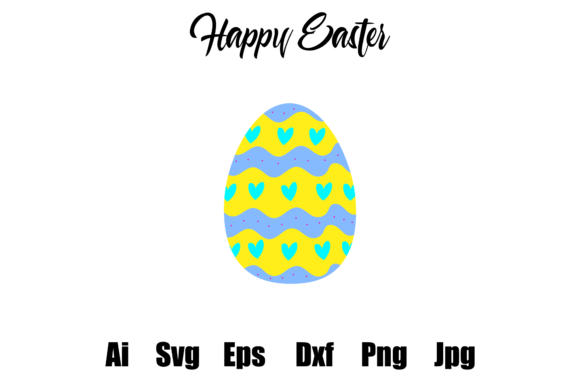
The immediate strength of these Easter Egg Colorful Illustrations lies in their format diversity. Having access to AI, EPS, SVG, DXF, JPG, and PNG files at a 1920 px x 1280 px canvas size is a significant advantage for mixed-media businesses. For those of us running a craft business or selling on Etsy, this means you are not locked into a single use case. The high-resolution raster files serve perfectly for printable mockups and product listings, allowing customers to visualize the design before they buy, while the vector formats provide the clean lines necessary for redigitizing or editing.
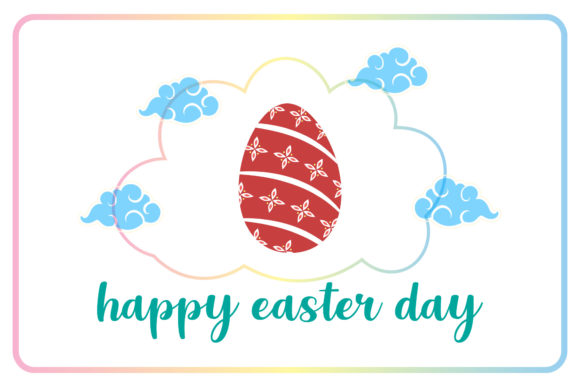
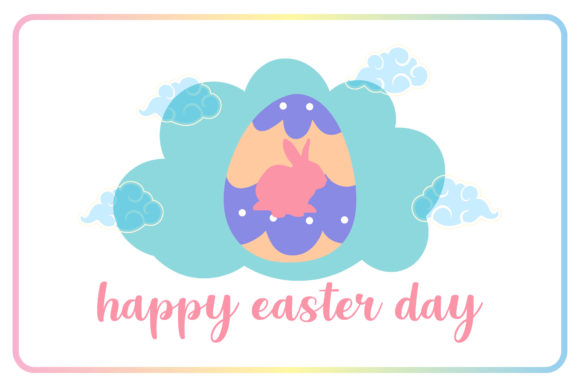
Visually, the illustrations strike a balance between whimsy and clarity. The shapes are distinct, which is crucial when translating graphics into stitches. Overly complex shading often gets lost in embroidery, but these designs rely on bold color blocking and clear outlines. This suggests they will translate well into both satin stitch borders and fill stitch interiors without requiring excessive manual cleanup during the digitizing phase. The mood is undeniably cheerful, making it an ideal candidate for spring collections, nursery decor, and holiday merchandise.
Real-World Application: The Tote Bag Test
To truly judge this asset, I mentally walked through a specific project scenario: creating a custom embroidered tote bag for a local boutique’s Easter market display. Tote bags present unique challenges because canvas fabric texture can swallow fine details, and the unstructured nature of the bag requires a design that remains legible even when the fabric shifts.
In this context, the Easter Egg Colorful Illustrations perform exceptionally well as a centerpiece. The scale provided allows for resizing without losing integrity, meaning you can maximize the hoop size to create a bold statement piece. For a tote bag design, I would utilize the vector files to create a layered appliqué version rather than a full-stitch fill. This reduces stitch count significantly, prevents the bag from becoming stiff and bulletproof, and adds a tactile, handmade quality that customers value. The bright color palette inherent in the illustration pops beautifully against natural cotton canvas, ensuring the finished product photographs well for social media marketing.
Furthermore, if you are producing custom apparel like sweatshirts or baby onesies, these illustrations offer enough negative space to incorporate personalized names or dates. As an Etsy seller, offering personalization is key to higher conversion rates. The clean geometry of the egg shapes provides a natural frame for monograms or custom text, turning a generic graphic into a meaningful personalized gift.
Navigating Fabric Limitations and Technical Constraints
While versatile, no design is universal. Based on the line weight and color complexity of these illustrations, there are specific scenarios where caution is required. If you are planning baby embroidery on lightweight knits or stretchy jersey fabrics, the density of the colorful fills could cause puckering or distortion. In these cases, I strongly recommend modifying the design to reduce stitch density or opting for a lighter running stitch outline combined with fabric paint or HTV for the color elements.
Dark fabrics also present a challenge for colorful illustrations unless properly managed. Simply stitching bright threads over black fabric often results in the dark background bleeding through or muddying the colors. If using these Easter Egg Colorful Illustrations on dark garments, you must plan for a white underlay base or convert the design into an applique design where the fabric itself provides the color block. Additionally, be mindful of small hoop sizes. While the source canvas is large, scaling down too aggressively may cause inner details to merge. Always verify the minimum recommended size after digitizing to ensure stitch clarity.
For items requiring frequent washing, such as kitchen towels or children's clothing, inspect the transition points between colors. High-contrast color changes in embroidery can sometimes lead to tension issues or gaps if not digitized with proper pull compensation. Since this product guarantees editability, take advantage of the vector files to adjust overlap areas before stitching your final commercial embroidery run.
Impact on Brand Value and Customer Perception
Using professional-grade graphics like these directly influences how customers perceive your brand. In the saturated market of holiday embroidery, generic clipart stands out negatively. These illustrations possess a cohesive artistic style that helps build brand consistency across different products. Whether you are making an embroidered patch, a pillow cover, or a digital download bundle, maintaining a consistent visual language builds trust.
For digital product sellers, the inclusion of multiple file types increases the perceived value of your listing. Buyers are more likely to purchase a digital embroidery file package that includes source vectors because it offers them future flexibility. Similarly, for physical product sellers, the vibrancy and professional composition of these illustrations justify a higher price point compared to amateur designs. They signal that you care about the quality of your design assets, which translates to confidence in your handmade product.
Essential Designer Notes Before You Stitch
Before loading these Easter Egg Colorful Illustrations into your machine or listing them in your shop, adhere to these practical best practices:
- Test on Scrap Fabric First: Never assume a digital file will stitch perfectly on your target material. Run a test on the exact fabric and stabilizer combination you intend to use for the final project.
- Verify Licensing Terms: While the files are editable, always confirm the specific commercial license terms regarding selling finished goods versus reselling the digital files themselves. Protect your business by knowing your rights.
- Check Thread Color Contrast: View the design in grayscale or simulate it with your specific thread brand palette. Screen colors often differ from rayon or polyester thread sheens.
- Stabilizer Selection is Key: Match your stabilizer to the fabric weight, not just the design density. Cut-away for knits, tear-away for wovens, and consider water-soluble toppings for textured fabrics to preserve detail.
- Edit for Your Machine: Use the provided AI or EPS files to simplify overly dense areas if your machine struggles with high stitch counts. Customizing the design ensures smoother production runs.
- Mockup Realistically: Use the high-res PNG/JPG files to create accurate previews, but add texture overlays so customers understand it is an embroidery design, not a printed image.
Ultimately, the Easter Egg Colorful Illustrations represent a solid foundation for spring and Easter projects. They offer the technical flexibility needed for professional adaptation and the visual charm required to attract buyers. By approaching them with a critical eye toward fabric behavior and stitch mechanics, you can transform these digital assets into profitable, high-quality embroidered goods that stand the test of wear and washing.