Women Illustrations Pack: A Designer’s Stitch Test
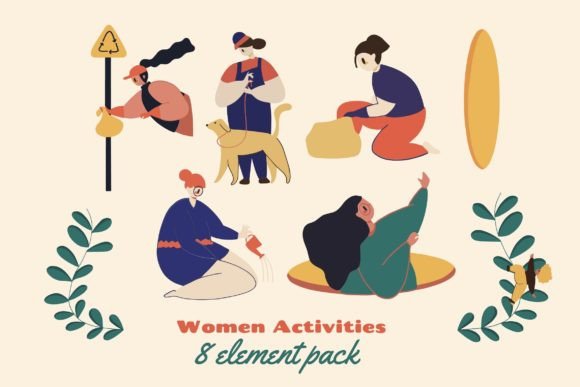
As an embroidery designer who has digitized and stitched out thousands of files, I approach every new machine embroidery design with a healthy dose of skepticism. Beautiful vector art does not always translate to beautiful thread on fabric. When I first opened the Women Illustrations Pack, my immediate focus wasn't just on the aesthetic appeal of the graphics, but on how these lines would behave under the needle. This collection features women engaged in various activities, rendered in a style that suggests movement and personality. For a craft business or Etsy seller, this pack offers significant potential for lifestyle branding, but it requires a strategic approach to ensure the final handmade product meets professional standards.
First Impressions and Visual Personality
The initial mood of the Women Illustrations Pack is modern, fluid, and distinctly feminine without being overly cutesy. The illustrations capture dynamic poses—reading, gardening, crafting, or relaxing—which immediately signals that these are best suited for projects celebrating hobbies, self-care, or female empowerment. As graphics, they possess a clean line weight that hints at excellent stitch definition. However, from a digitizing perspective, the challenge with activity-based illustrations is maintaining clarity when the subject is in motion. You want the viewer to instantly recognize the activity even from a distance on a finished item.
For those selling design assets or creating custom apparel, this visual personality is a strong selling point. It moves away from generic clip art and offers a boutique feel. When evaluating this as an embroidery file, I look for balanced negative space. These illustrations appear to have enough breathing room between elements to prevent puckering, which is crucial when stitching on softer fabrics like jersey knits or linen blends often used in women’s apparel and home decor.
Real-World Application: The Custom Tote Bag Test
To truly evaluate this pack, I mentally applied it to a specific, high-demand project: a custom canvas tote bag featuring a "Book Lover" or "Gardener" motif. Tote bags are a staple for small shop products and make excellent personalized gifts. In this scenario, the Women Illustrations Pack shines because the scale allows for detail. On a 5x7 hoop area, the intricate lines of hair, clothing folds, and props (like books or trowels) remain distinct.
However, translating these illustrations to a tote bag design requires careful consideration of stitch density. Canvas is forgiving, but if the design uses heavy fill stitch areas for shading, the fabric can become stiff and bulletproof. I recommend treating these designs primarily as line art or using light running stitches for texture rather than solid fills. This preserves the drape of the bag and reduces stitch time, increasing profit margins for commercial embroidery runs. If you are creating an embroidered patch instead, the density can be higher since patches are meant to be structured, but always verify the border integrity to prevent fraying during cutting.
Apparel Considerations: Sweatshirts and Baby Items
Moving from sturdy canvas to apparel changes the variables entirely. For sweatshirt embroidery, the Women Illustrations Pack works beautifully on the chest or back yoke, provided you use adequate stabilizer. Fleece and French terry tend to swallow fine details. If the illustration includes tiny facial features or slender fingers, consider simplifying those nodes in your software before stitching. A lost stitch in a face can ruin the entire expression.
Conversely, baby embroidery demands extreme caution. While the themes might be suitable for nursery decor or mom-and-me matching sets, baby skin is sensitive. High-density designs on onesies can be scratchy and uncomfortable. If using this pack for infant wear, resize carefully and test the backside of the stitching. You may need to convert some satin columns to running stitches to reduce bulk. Always prioritize comfort over capturing every pixel of the original graphic when making items for children.
Navigating Fabric Textures and Hoop Limitations
Not every surface is friendly to detailed illustrations. When planning your next embroidery project, consider where these designs should be used with care:
- Textured Fabrics: Minky, plush, or heavy waffle weave can obscure the delicate lines typical of activity illustrations. Use a water-soluble topping to keep stitches visible, or choose bolder variations from the pack.
- Stretchy Knits: Ribbed fabrics distort easily. Ensure your hooping technique is stable without stretching the garment, or the woman’s proportions will look warped once unhooped.
- Small Hoop Sizes: Resizing complex illustrations down to a 4x4 hoop often results in lost details. If the design becomes muddy at small sizes, save it for larger formats like pillow covers or aprons rather than forcing it onto a cap or pocket.
- Dark Fabrics: Light thread on dark fabric increases contrast but also highlights any registration errors. Test your machine’s tension specifically for these color combinations before committing to a finished product.
Professional Presentation and Business Value
For Etsy sellers and creative entrepreneurs, the value of the Women Illustrations Pack extends beyond the physical stitch. High-resolution transparent background files are essential for creating accurate printable mockups. Customers need to visualize how the design looks before purchasing. Because these illustrations have clean edges, they integrate seamlessly into digital previews, boosting buyer confidence and engagement.
Furthermore, consistency builds brand recognition. Using a cohesive illustration style across your holiday embroidery, wedding gifts, and everyday merchandise creates a professional identity. When customers see that signature artistic style on a tea towel and then again on a sweatshirt, it reinforces trust in your craftsmanship. Just ensure you understand the licensing terms included with the file. Confirm whether you can sell the physical embroidered items, the digital files, or both. Protecting your business means respecting intellectual property while maximizing your creative output.
Essential Designer Notes Before You Stitch
Before loading this digital embroidery file into your machine for a client order or shop stock, run through this practical checklist:
- Test on Scrap Fabric: Never assume settings transfer perfectly between fabric types. Stitch a sample on the exact material you intend to use for the final piece.
- Check Thread Contrast: View the design in black and white within your software to ensure tonal separation exists without relying solely on color differences.
- Inspect Small Details: Zoom in to 200% in your editing software. Are there overlapping stitches that could cause needle breaks? Is the text legible at the intended size?
- Verify Stabilizer Choice: Match the stabilizer weight to the design density and fabric type. Cut-away is generally safer for apparel with these detailed illustrations, while tear-away may suffice for woven tote bags.
- Review Licensing: Double-check the permitted uses for commercial embroidery versus personal use to avoid legal issues down the road.
The Women Illustrations Pack offers a versatile foundation for makers who want to add sophisticated, narrative-driven imagery to their repertoire. By respecting the technical limitations of thread and fabric, and by testing thoroughly, you can transform these digital graphics into heirloom-quality embroidered goods that resonate with customers and stand up to real-world wear. Whether you are embellishing a boutique apron or designing a unique holiday gift, let practical judgment guide your needle to achieve results that are as durable as they are beautiful.