Kids Animals Alphabet B: An Embroidery Design Review
As a designer who spends more time behind an embroidery machine than a computer screen, I approach every new graphic with a specific question: will this actually stitch out well? When evaluating the Kids Animals Alphabet B Illustrations, my focus shifts immediately from digital aesthetics to physical application. This design package arrives as a set of high-resolution digital assets, including SVG, JPG, PNG, and PDF files at 1920px x 1280px. While these are technically illustration files rather than pre-digitized machine embroidery designs, they serve as exceptional source material for creating custom apparel, nursery decor, and personalized gifts. For Etsy sellers and small shop owners, understanding how to translate these graphics into stitch-ready art is the difference between a professional finished product and a frustrating unpicking session.
First Impressions and Visual Personality
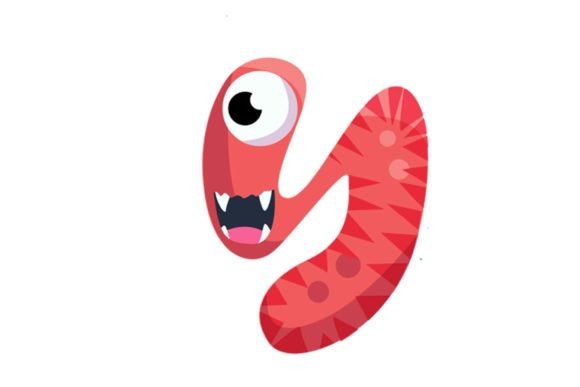
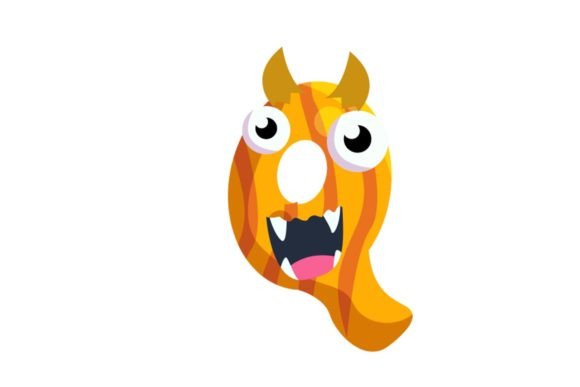
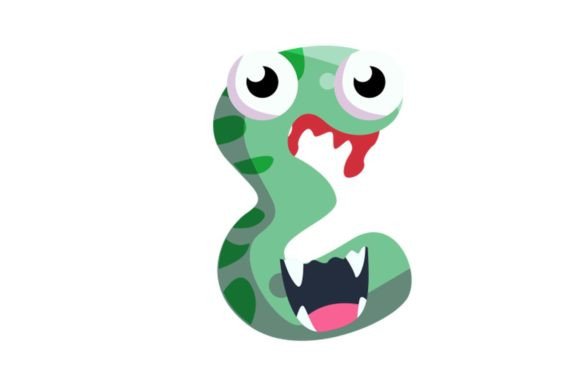
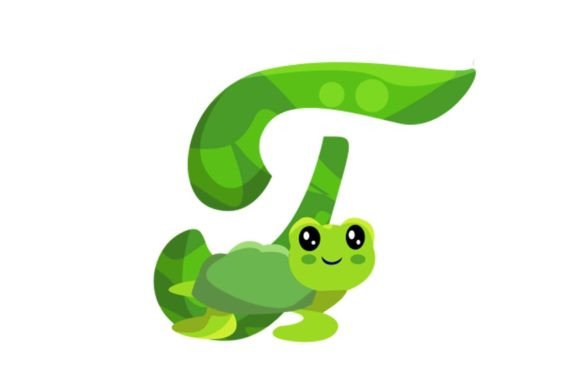
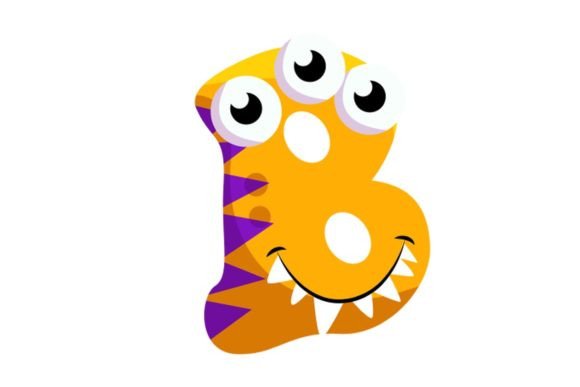
The immediate mood of the Kids Animals Alphabet B Illustrations is playful yet structured. The "B" character integration with animal motifs suggests a whimsical narrative that appeals strongly to parents and gift-givers. From a design perspective, the lines appear clean and intentional, which is a massive relief for digitizers. Many alphabet graphics suffer from excessive shading or gradient effects that require complex color changes and dense fill stitches. These illustrations, however, seem to respect the limitations of thread. The shapes are distinct enough to work as either a traditional satin stitch border or a modern raw-edge applique design.
For a handmade product line, this visual personality translates to trust. Customers looking for baby embroidery or custom apparel want clarity. They need to recognize the letter and the animal instantly, even from a distance on a sweatshirt or tote bag. The balance between detail and simplicity in these graphics suggests they were created with versatility in mind, making them suitable for both commercial embroidery projects and personal hobbyist endeavors.
Real-World Application: The Custom Tote Bag Test
To truly evaluate utility, I mentally placed the Kids Animals Alphabet B Illustrations onto a canvas tote bag project intended for a boutique launch. Totes are unforgiving; the fabric texture can swallow fine details, and the lack of stretch means any puckering is immediately visible. In this scenario, I would utilize the SVG file to create a layered applique design rather than a full-stitch fill.
Using the vector paths from the SVG allows for precise placement of fabric pieces before stitching. I envision using a neutral cotton base for the letter "B" and a contrasting print for the animal element. This approach reduces stitch density significantly, keeping the tote bag lightweight and flexible. For the outline, a running stitch or bean stitch would secure the applique while adding a handmade charm that buyers love. If I were to use the PNG or JPG version instead, I would trace it in my digitizing software to ensure the underlay supports the canvas weave. This real-life application highlights why having multiple file formats is crucial; the SVG offers structural precision for advanced users, while the raster files provide immediate visual reference for mockups and client approvals.
Navigating Fabric Challenges and Hoop Sizes
While the design is versatile, not all fabrics are created equal. When adapting Kids Animals Alphabet B Illustrations for stretchy fabrics like jersey knits used in baby clothes or t-shirts, stabilization is non-negotiable. The graphic’s shape likely requires a cut-away stabilizer to prevent distortion during washing. If you attempt this design on a ribbed knit without proper support, the letter "B" may warp, ruining the professional look of the custom apparel.
Small hoop sizes present another consideration. If you are working with a 4x4 hoop, you must verify that the intricate details of the animal illustration remain legible when scaled down. Tiny elements that look crisp on a 1920px screen may become indistinguishable blobs of thread at two inches wide. In such cases, simplifying the design by removing internal details or converting complex areas to solid fill stitches is necessary. Conversely, for large hoop sizes used in pillow covers or blankets, you have the luxury of retaining every curve and nuance of the original illustration. Always check your specific machine compatibility and maximum stitch area before committing to a production run.
Where Caution is Required
There are specific scenarios where I would advise testing before selling. Dark fabrics can be tricky with light-colored illustrations unless you plan for a white underlay or a reverse applique technique. Without this foundation, dark fabric fibers can poke through lighter threads, muddying the vibrant colors of the Kids Animals Alphabet B Illustrations. Additionally, curved surfaces like caps require specialized digitizing. A flat illustration does not naturally wrap around a cylinder; the design must be distorted slightly in the software to compensate for the cap's curvature, or the top of the "B" will appear pinched.
Frequent washing is another factor. If this design is destined for a kitchen towel or apron, avoid decorative satin stitches wider than 6mm. Wide satin stitches are prone to snagging and fraying in high-friction environments. Opting for narrower borders or filled tatami stitches will increase the longevity of the embroidered patch or garment, ensuring customer satisfaction long after the sale.
Designer Notes for Professional Results
Before listing any finished product derived from these graphics, adhere to these practical steps:
- Test Stitch First: Never run a final product without a test sew-out on similar scrap fabric. Check for registration issues between the applique material and the tack-down stitches.
- Verify Licensing: Confirm whether your purchase includes commercial rights for selling physical embroidered items versus digital files. The description mentions ease of editing, but licensing terms dictate your business model.
- Mockup Accuracy: Use the provided JPG and PNG files to create printable mockups for your Etsy listings. However, clearly label them as digital previews. Customers should understand that thread has texture and sheen that pixels cannot replicate.
- Thread Color Matching: Digital colors rarely match thread charts perfectly. Physically compare your thread colors against the illustration to ensure the animal’s features read correctly. Contrast is key for visual appeal.
- Stitch Density Check: If digitizing from the SVG, monitor your stitch count. Overly dense designs cause fabric damage and needle breaks, especially on delicate baby embroidery projects.
Elevating Product Value Through Intentional Design
Ultimately, the Kids Animals Alphabet B Illustrations offer a strong foundation for creative entrepreneurs. Whether you are creating holiday embroidery for seasonal markets or year-round personalized gifts, the success lies in your execution. By treating these graphics as blueprints rather than final products, you maintain control over quality. The ability to edit the SVG ensures that your sweatshirt embroidery or nursery wall art remains unique to your brand, avoiding the generic look that plagues many online shops.
Remember that value is built through consistency and care. When a buyer receives a tote bag where the animal alphabet design is centered perfectly, stabilized correctly, and stitched with appropriate density, they recognize the craftsmanship. They are buying your expertise as much as the design itself. Use these assets wisely, test rigorously, and let the charm of the illustrations shine through superior embroidery technique. This thoughtful approach transforms simple digital graphics into cherished, tangible goods that stand the test of time and wear.