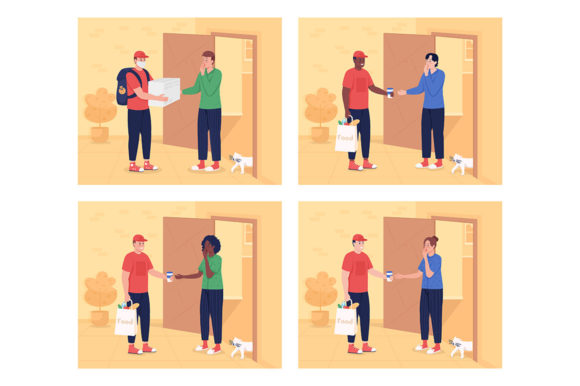
Morning Delivery Illustrations for Embroidery
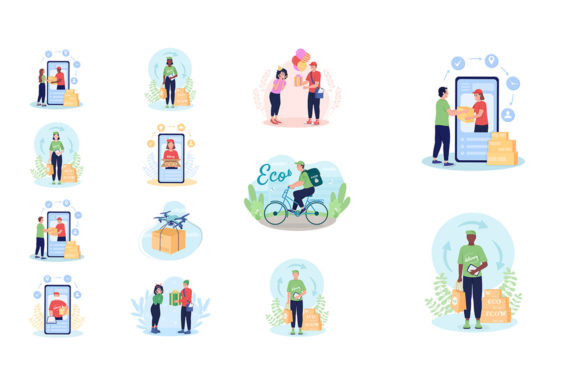
As a professional embroidery designer and product reviewer, I approach every new graphic asset with a specific question: will this actually stitch out well on fabric? When evaluating the Morning Delivery to Door Illustrations, my focus shifts immediately from screen aesthetics to needle performance. This flat color vector illustration set, featuring a courier handing coffee to a sleepy customer against an interior background, captures a universally relatable mood. However, translating 2D cartoon characters into a tangible machine embroidery design requires careful consideration of line weight, color separation, and fabric compatibility. For Etsy sellers, craft business owners, and makers creating custom apparel, understanding how these graphics transition from digital files to stitched reality is the difference between a bestseller and a production headache.
Capturing the Cozy Morning Vibe in Thread
The immediate strength of this illustration bundle is its narrative clarity. The interaction between the courier and the customer conveys warmth and routine, making it ideal for products meant to evoke comfort. Visually, the flat color style is a significant advantage for digitizers. Unlike complex shaded artwork that requires thousands of stitches to replicate gradients, flat vectors map cleanly to solid fill stitch areas. This reduces the overall stitch density, resulting in a softer hand feel on garments like sweatshirts or baby items.
When I look at this design, I see immediate potential for a tote bag design targeting coffee lovers or remote workers. The interior background element provides context without overwhelming the main characters, allowing for a balanced composition within a standard hoop size. For personalized gift creators, the sleepy customer’s expression offers a perfect anchor for adding custom names or monograms above or below the scene. The visual personality is friendly and approachable, which builds instant trust with buyers browsing handmade product listings. It feels less like generic clip art and more like a curated boutique graphic, elevating the perceived value of the finished product.
Real-World Application: Stitching the Coffee Handoff
To truly evaluate utility, I mentally placed this design onto a heavyweight cotton canvas tote bag intended for a local café collaboration. In this scenario, the Morning Delivery to Door Illustrations serve as branding that customers want to carry. The challenge here is the coffee cup detail. In a vector file, a cup handle might be a thin line; in embroidery, that same line needs to be a satin stitch wide enough to prevent thread breaks but narrow enough to remain proportional. If the source embroidery file has been properly digitized, this detail should pop against the canvas texture.
For sweatshirt embroidery, specifically on fleece or French terry, the fabric texture plays a massive role. Fleece can swallow fine details. Because these illustrations use bold, flat shapes, they are generally safer for textured fabrics than intricate line drawings. However, the "interior background" mentioned in the product description requires scrutiny. If the background includes window panes or shelving units, those elements must be digitized with adequate spacing. Too much detail in the background competes with the foreground characters. A successful commercial embroidery project using this set would likely simplify the background elements to ensure the coffee exchange remains the focal point after washing and wear.
I also envision this working beautifully as an embroidered patch. Patches require dense borders and clean edges. The distinct silhouette of the two characters makes them excellent candidates for merrowed-edge patches that can be sold as standalone accessories or applied to denim jackets. For baby embroidery projects, such as nursery pillows or blankets, the color palette derived from these vectors should be adjusted to pastels or muted tones to suit the demographic, proving the versatility of the underlying design assets.
Navigating Fabric Limitations and Technical Constraints
While the aesthetic is strong, practical application demands caution. Not every surface welcomes this level of illustrative detail. Here is where you must exercise judgment before hooping:
- Stretchy Fabrics: On lightweight jersey knits, the combination of character fills and background elements can cause puckering. You must use appropriate stabilizer (likely a cutaway) and potentially a topping to keep stitches from sinking into the knit structure.
- Small Hoop Sizes: Resizing this illustration down to fit a 4x4 hoop or a cap frame risks losing the facial expressions that give the design its charm. Tiny lettering or minute details on the coffee cup may turn into indistinguishable blobs. Always check the minimum recommended size for your specific digital embroidery file.
- Dark Fabrics: Flat color vectors often assume a white base. If stitching on black or navy, you cannot simply change thread colors. The design may require an underlay or a white fill base to make the thread colors appear true to the original illustration. Test this rigorously.
- Curved Surfaces: Caps present unique distortion challenges. The vertical alignment of the doorframe or interior background might warp on a curved brim. Consider isolating just the characters for headwear rather than forcing the full scene.
Ensuring Quality and Commercial Viability
For small shop product lines and Etsy seller portfolios, consistency is key. Using Morning Delivery to Door Illustrations across multiple SKUs creates a cohesive collection. However, before listing any item for sale, you must validate the technical integrity of the design. I always recommend running a test stitch-out on scrap fabric that matches your final production material. Check the registration between the characters and the background. Are there gaps? Is the running stitch outline aligned perfectly with the fill? Misalignment kills the professional look instantly.
Furthermore, review the licensing terms associated with this vector bundle. Just because you purchased the graphics does not automatically grant unlimited commercial embroidery rights. Confirm whether you can sell physical custom apparel versus digital files. Protecting your business means respecting intellectual property while maximizing creative output. For those creating printable mockups to preview designs before stitching, these flat vectors are invaluable. They allow you to create realistic digital previews for client approval, saving time and materials on unapproved concepts.
Designer Notes for Optimal Results
To get the most out of this illustration set in your embroidery workflow, keep these practical tips in mind:
- Contrast Check: Before stitching, view the design in grayscale. If the coffee cup blends into the customer’s shirt or the background, adjust thread values. Embroidery relies on contrast more than color hue.
- Density Audit: Inspect the stitch density settings. Flat vector conversions sometimes result in overly dense fills that act like bulletproof vests on delicate fabric. Reduce density where possible to maintain drape.
- Color Matching: Don't rely solely on screen colors. Pull physical thread samples against the fabric. The "morning light" mood depends heavily on warm, inviting tones that screens often misrepresent.
- Detail Simplification: If the vector includes tiny text on the coffee cup or signage, consider removing it for smaller applications. Negative space is your friend in embroidery; let the shapes tell the story.
- Wash Testing: If producing holiday embroidery or kitchen textiles like tea towels, wash the sample three times. Ensure the applique design edges (if used) hold up and that the background doesn't distort after laundering.
Ultimately, Morning Delivery to Door Illustrations offer a charming foundation for a wide array of stitched goods. Their success lies not just in the artwork itself, but in your ability to interpret that artwork through the lens of needle and thread. By respecting fabric limitations, testing thoroughly, and applying thoughtful digitizing adjustments, you can transform these digital vectors into high-quality, marketable embroidered products that resonate with customers seeking that perfect morning moment.