Ramadan Window Illustrations Graphics Review
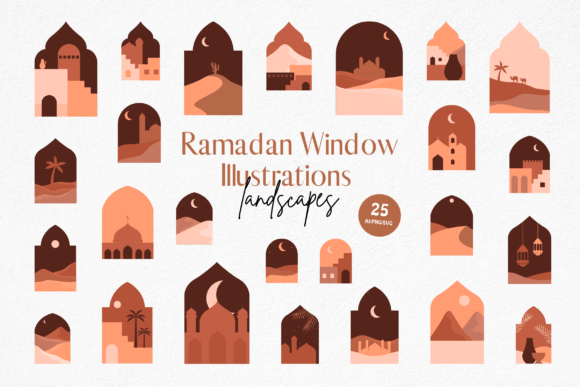
As a digital publisher and blog designer, I constantly evaluate visual assets not just for their aesthetic appeal, but for their functional utility in a real content workflow. When I first opened the Ramadan Window Illustrations Landscapes collection, my immediate focus was on editorial versatility. This is not merely a set of decorative clip art; it is a cohesive graphic design asset suite that establishes a specific atmospheric mood. The collection offers a window-frame perspective that naturally invites the viewer to look inward or outward, creating a sense of depth and contemplation that is essential for seasonal content.
The editorial mood created by these illustrations strikes a delicate balance between traditional reverence and modern digital accessibility. They feel warm, inviting, and culturally resonant without being overly ornate or cluttered. For publishers in the lifestyle, faith-based, food, or family niches, this visual tone is critical. It signals to the reader that the content within is thoughtful and polished. Unlike generic stock vectors, these landscapes possess an artistic integrity that elevates the perceived value of your website. Whether you are running a personal blog or a commercial affiliate site, this level of visual sophistication helps bridge the gap between casual reading and trusted authority.
Integrating Visuals into Editorial Workflows
In my daily publishing operations, consistency is just as important as quality. A major challenge during seasonal campaigns is finding graphics that work across multiple formats without looking disjointed. This collection comprises 25 distinct elements, providing enough variety to maintain visual interest while keeping brand identity intact. I can envision using these assets as featured images for daily blog posts throughout the holy month, where each window represents a new topic or reflection. The landscape views serve as excellent negative space for headline overlays, making them ideal for Pinterest pins where text readability determines click-through rates.
Beyond standard blog graphics, these illustrations function exceptionally well as foundational elements for digital products. If you are creating a Ramadan planner, a digital guide, or a printable worksheet, these window frames can act as section dividers or cover art. For newsletter creators, they provide a perfect header image that sets the tone before the subscriber even reads the first line of copy. In affiliate marketing contexts, such as reviewing Islamic books or home decor, these illustrations soften the commercial intent of the page, wrapping product recommendations in a layer of cultural appreciation and aesthetic care. They transform a standard sales post into an immersive editorial experience.
Enhancing Reader Trust Through Design Quality
Visual hierarchy is the silent navigator of user experience. When a reader lands on your site, the imagery dictates how they perceive the information hierarchy. High-quality illustrations like these signal that the publisher has invested time and resources into the presentation, which subconsciously transfers trust to the written content. In competitive niches, professional web design is a differentiator. Using these curated landscapes instead of low-resolution freebies reduces bounce rates by assuring visitors they have arrived at a reputable destination.
Furthermore, consistent use of a specific graphic style strengthens brand recognition. When your audience sees these distinctive window silhouettes in their social media feed or email inbox, they should immediately associate them with your platform. This is particularly valuable for small business branding and creative entrepreneurs who need to maximize impact with limited marketing budgets. The asset supports content performance by making thumbnails more clickable in crowded feeds and ensuring that downloadable resources look premium enough to justify an email opt-in or purchase price.
Strategic Placement and Application Limits
While versatile, this graphic design asset performs best in specific environments. It shines as hero images, article thumbnails, and social media previews where the intricate details of the landscape can be appreciated. Editorial accents within long-form content also benefit from these illustrations, breaking up text blocks and maintaining engagement. However, publishers must exercise caution. These designs contain fine details that may get lost in very small mobile thumbnails or favicon-sized applications. They are not suitable for serious corporate finance or legal niches where illustrative whimsy might undermine professional gravity.
Additionally, because these are landscape-oriented window views, they require adequate breathing room. Placing them against busy backgrounds or overcrowding them with text will negate their elegant composition. They work best in clean, modern design layouts that respect white space. If your website relies on a dark mode aesthetic, ensure the contrast ratios remain accessible, as some traditional illustration styles may struggle against deep black backgrounds without adjustment. Always preview the asset in the actual context of your live theme rather than relying solely on the file preview.
Publisher Notes on Technical Implementation
Before deploying any creative design asset to a live production environment, rigorous testing is mandatory. I recommend placing these illustrations beside your primary typography choices—whether serif, sans-serif, or script fonts—to ensure stylistic harmony. Test the files in both color and grayscale to verify they retain their impact in monochrome printables or e-reader formats. From a technical SEO and performance standpoint, always compress these images properly. While high resolution is necessary for printables, web versions should be optimized to prevent slowing down page load speeds, which directly impacts search rankings and user retention.
Licensing is another non-negotiable aspect of professional publishing. Before using this digital download on monetized websites, affiliate pages, or paid content products, confirm the commercial license terms provided by the creator. Ensure you understand the distinction between personal use and commercial application, especially if you plan to incorporate the graphics into Canva templates for resale or distribution. Proper attribution and adherence to licensing protect your business from legal issues and support the ecosystem of independent designers in the creative marketplace.
- Visual Testing: Preview on desktop, tablet, and mobile to check detail retention.
- Typography Pairing: Test against display fonts for headers and body fonts for captions.
- Performance: Compress files for web use while retaining quality for digital downloads.
- Accessibility: Verify alt-text descriptions accurately convey the window and landscape context.
- Licensing: Validate commercial rights for affiliate marketing and lead magnets.
Ultimately, the Ramadan Window Illustrations Landscapes collection offers more than just decoration; it provides a structural visual language for seasonal storytelling. For bloggers, educators, and marketers, it solves the problem of repetitive seasonal aesthetics by offering a fresh, perspective-driven approach. When used intentionally within a broader content marketing strategy, these illustrations do not just fill space—they enhance communication, deepen reader connection, and elevate the overall professionalism of your digital presence. By treating this asset as a core component of your editorial design system rather than an afterthought, you unlock its full potential to drive engagement and build lasting audience loyalty.