Fast Food Illustrations: Graphics for Branding
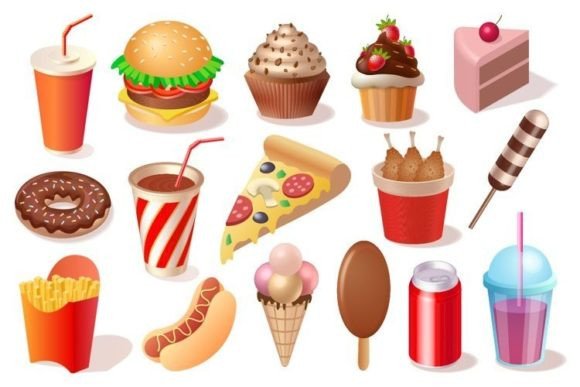
When evaluating a new graphic design asset for a client project, my first criterion is always versatility within a specific niche. Recently, while developing a visual identity for a pop-up burger joint and dessert bar, I tested this Vector fast food illustration set to see if it could carry the weight of a full branding campaign. The collection features isolated items like sweets, cakes, pizza, juice, hamburgers, and chicken on white backgrounds. My initial impression was that these illustrations strike a balance between playful nostalgia and modern vector cleanliness. They avoid the overly grunge aesthetic that often dates fast food art, opting instead for bold shapes and vibrant colors that suggest freshness rather than grease. For a designer, this clean isolation is crucial; it means less time masking edges and more time focusing on layout and hierarchy.
Elevating Small Business Brand Identity and Packaging
In the context of the pop-up project, the primary challenge was creating a cohesive look across disparate touchpoints without commissioning custom art for every single menu item. This design bundle proved invaluable for packaging design. Because the assets are vector-based, I could scale the hamburger and chicken graphics to fit large-format signage without pixelation, then shrink them down for sticker seals on takeout bags. The consistency in line weight and color palette across the different food items helped establish immediate brand identity. For small business owners or handmade brands launching a food-related product line, this level of visual consistency is often cost-prohibitive with custom illustration. Using these pre-made graphics allowed us to allocate budget toward premium packaging materials while maintaining a professional, bespoke appearance.
Performance Across Digital and Print Media
A true test of any creative design asset is how it translates between screen and physical media. I integrated these fast food illustrations into various deliverables to assess their adaptability:
- Social Media Graphics: The isolated nature of the pizza and juice vectors made them perfect for Instagram carousel posts and Pinterest pins. They provided necessary negative space for overlaying promotional text without cluttering the composition.
- Web Design and Hero Sections: On the client’s landing page, the cake and sweet illustrations served as engaging decorative accents in the hero section. Their bright colors improved dwell time by breaking up dense textual content.
- Print-on-Demand Merchandise: We tested the hamburger graphic for a limited-run t-shirt design. The bold outlines held up exceptionally well during screen printing, and the color separation was straightforward.
- Editorial Design: For the digital menu PDF, the illustrations acted as visual anchors, guiding the reader’s eye through categories and improving overall readability.
For content creators and bloggers, these assets function excellently as featured image elements or sidebar decorations, adding personality to articles about dining, recipes, or local events without requiring a photoshoot.
Strategic Placement: Where These Assets Shine
Understanding where to place a digital product is just as important as the asset itself. These illustrations perform best when given room to breathe. They are ideal for large layout areas where they can serve as focal points, such as poster centers or website headers. In product mockups, placing the juice or cake vector next to a blank cup or box helps clients visualize the final result instantly. They also excel as thematic collections for seasonal campaigns; for example, grouping the sweets and cakes for a holiday promotion creates an instant emotional connection. For Cricut users and crafters, the clean paths make these excellent candidates for vinyl decals on tumblers or laptop lids, as there are no intricate details that might peel away during application.
Navigating Visual Hierarchy and Limitations
However, professional judgment requires acknowledging limitations. While versatile, these fast food illustrations should be used carefully in certain contexts. Due to their inherent playfulness, they may clash with ultra-minimalist luxury branding or serious corporate communications. If your project demands a somber or highly sophisticated tone, these cheerful vectors might undermine the intended message. Furthermore, in crowded layouts or complex photographic backgrounds, the isolated white-background style can sometimes look "pasted on" if not integrated with shadows or texture overlays. Designers must also be mindful of size; at very small scales, such as favicon usage or tiny footer icons, the internal details of the pizza or chicken may become muddy. Always prioritize visual hierarchy; let the illustration support the content, not compete with it.
Technical Vetting for Commercial Application
Before committing this SVG design or PNG design to a commercial project, I run through a rigorous technical checklist to ensure quality and legal safety. This step separates amateur usage from professional implementation:
- Contrast Testing: I always preview the assets in black and white. If the illustration relies solely on color to define form, it will fail in single-color print applications like embossing or one-color screen printing. These vectors passed this test due to strong contour lines.
- Typography Pairing: Test the illustrations against your chosen typeface. They pair naturally with rounded sans-serif fonts and casual script fonts but may look disjointed next to severe, high-contrast serif typefaces. Ensure the mood matches.
- File Format Inspection: Verify that the SVG files have editable nodes and grouped layers. For Canva template creation, ensure the PNG transparency is clean with no jagged edges or white halos.
- Scale Stress Test: Zoom in to 400% to check for stray anchor points or open paths that could cause issues during cutting or printing. Zoom out to thumbnail size to verify recognizability.
- Licensing Confirmation: Crucially, review the commercial license terms. Confirm whether you can use the assets in client work, sell products featuring the designs (like stickers or shirts), or if attribution is required. Never assume rights transfer automatically.
Impact on Audience Engagement and Trust
Ultimately, the decision to use this clipart set comes down to its effect on the end user. In our testing, the fast food illustrations significantly boosted engagement metrics on social ads compared to stock photography. Illustrations often bypass the skepticism viewers feel toward polished food photography, triggering a sense of fun and appetite rather than critical analysis. For an Etsy product listing or a local event flyer, this emotional appeal translates to higher click-through rates. However, professionalism must be maintained. Overusing the assets or stretching them disproportionately can degrade visual trust. When used intentionally as part of a broader modern design system, these graphics bridge the gap between approachable and professional.
For marketers and digital sellers, this collection represents a high-value asset class. It solves the expensive problem of custom illustration while avoiding the generic feel of low-quality clipart. Whether you are designing a sublimation design for mugs, crafting a menu for a food truck, or building a brand kit for a franchise, these vectors offer a solid foundation. Just remember to treat them as components of a larger system, not the entire solution. By applying thoughtful design principles and thorough technical vetting, you can transform this creative marketplace find into a cornerstone of successful client projects.