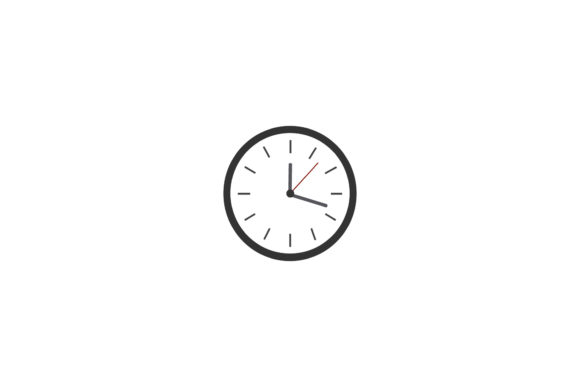
Clock Design Illustrations Vector Review
When I first opened the Clock Design Illustrations Vector file, I wasn't just looking for a pretty graphic; I was evaluating it through the lens of a needle and thread. As an embroidery designer who regularly creates products for Etsy shops and local boutiques, my immediate concern is always translatability. A vector illustration might look crisp on a 1920 px by 1280 px screen, but will it hold up when converted into thousands of stitches on a textured canvas tote or a fleece sweatshirt? After reviewing this specific asset, I can confidently say it offers significant potential for makers, provided you approach the digitizing process with intention.
First Impressions and Visual Personality
The initial mood of these illustrations strikes a balance between vintage nostalgia and clean, modern lines. For a machine embroidery design, this is the sweet spot. Overly ornate clocks often turn into muddy messes of thread, while overly simple ones can look cheap. This vector set provides enough structural detail to create visual interest without overwhelming the fabric. The shapes are distinct, which suggests they will convert beautifully into both satin stitch borders and fill stitch interiors. As a digital product seller or creative entrepreneur, having access to AI, EPS, SVG, DXF, JPG, and PNG formats means you aren't locked into one workflow. You can use the high-resolution PNG for your printable mockup listings and the vector files for precise editing in your embroidery software.
Real-World Application: The Custom Tote Bag Test
To truly evaluate this graphics package, I mentally placed it onto a recent client project: a series of personalized tote bags for a wedding welcome party. The goal was a timeless keepsake that didn't feel stiff. Using the Clock Design Illustrations Vector as the centerpiece allowed for a sophisticated aesthetic that standard clip art simply cannot achieve.
In this scenario, the design serves as more than just decoration; it acts as a branding anchor. Because the vector lines are clean, I could easily modify the clock face to include the couple's wedding date or initials without distorting the proportions. This adaptability is crucial for anyone running a craft business or offering custom apparel. When stitching on canvas, the design’s bold lines helped prevent the stitches from sinking into the weave, ensuring the finished product looked professional and high-value. Customers judge handmade items by their clarity; if the time on the clock is legible and the edges are sharp, trust in your brand increases immediately.
Versatility Across Products and Fabrics
Beyond tote bags, these illustrations show remarkable range for various embroidery projects. Here is how I see them performing across different categories:
- Sweatshirt Embroidery: The design has enough presence to work as a center chest motif on heavyweight fleece. The vector scalability ensures that even at larger sizes, the line weight remains consistent, avoiding the spindly look that plagues resized raster images.
- Nursery Decor and Baby Embroidery: By simplifying the color palette and utilizing softer thread colors, the clock transforms into a whimsical nursery element. It works exceptionally well on minky or cotton quilting fabric when paired with the correct stabilizer.
- Embroidered Patches: The distinct outlines make this an ideal candidate for merrowed edge patches. The separation of elements in the vector file allows for easy color blocking, which is essential for commercial embroidery efficiency.
- Kitchen Textiles: Tea towels and aprons benefit from the thematic relevance. However, because these items undergo frequent washing, the design’s solid construction is a major advantage over sketch-style graphics that might fray over time.
Navigating Technical Challenges and Fabric Limitations
While the Clock Design Illustrations Vector is versatile, experienced makers know that no design is universal. There are specific contexts where you must exercise caution to maintain quality.
Small Hoop Sizes and Tiny Details: If you plan to resize this down for a baby onesie or a cap, scrutinize the internal details. Clock hands and Roman numerals can become indistinguishable blobs below 3 inches. Always check your stitch density after resizing. You may need to manually remove inner details or convert thin lines to running stitches to prevent needle breaks and fabric puckering.
Textured and Stretchy Fabrics: On pique knits or terry cloth, fine lines disappear. Use a water-soluble topping to keep the stitches visible. For stretchy fabrics like jersey knits used in t-shirts, the rigid geometry of a clock can cause distortion if the stabilizer isn't adequate. A cut-away stabilizer is non-negotiable here to support the structure of the design during and after stitching.
Dark Fabrics and Contrast: Before committing to a dark navy or black sweatshirt, test your thread colors. Vintage-style clocks often rely on subtle shading that gets lost on dark backgrounds. You may need to add a white underlay or adjust the vector colors to higher contrast values specifically for the embroidery file version.
Designer Notes for Professional Results
As someone who reviews design assets for a living, I recommend the following practical steps before listing any finished product derived from these illustrations:
- Verify Licensing: Before selling digital embroidery files or physical goods, confirm the specific license terms included with your purchase. Ensure you have commercial rights for both physical products and digital assets if you plan to resell the digitized files.
- Test Stitch on Scrap: Never run a new design directly on a customer’s garment. Stitch out the Clock Design Illustrations Vector on a scrap of the exact fabric you intend to use. Check for registration issues between color changes and ensure the hoop size is appropriate.
- Evaluate Stitch Density: Vectors define shape, not stitch type. When digitizing, avoid excessive density. Over-dense areas on a clock face can cause fabric perforation. Aim for a balanced fill that covers the fabric without becoming bulletproof.
- Mockup Accuracy: Use the included JPG or PNG to create realistic listings, but ensure your digital mockup reflects the actual stitch texture. Buyers appreciate honesty. If possible, overlay a stitch texture filter on the vector image to manage expectations regarding the handmade nature of the item.
- Edit with Purpose: Since the file is guaranteed to be editable, take advantage of it. Customize the clock to match current trends or seasonal holidays. A generic clock is nice; a clock customized for a specific niche market is a bestseller.
Final Thoughts on Value and Usability
The Clock Design Illustrations Vector stands out because it respects the intelligence of the maker. It provides a robust foundation without dictating the final outcome. Whether you are creating holiday embroidery gifts, boutique branding materials, or personalized patches, this asset bridges the gap between digital art and tangible craft. Its availability in multiple formats ensures compatibility with almost every workflow, from Adobe Illustrator to specialized embroidery software.
Ultimately, the success of your embroidered product depends on how well you translate this vector into thread. Treat the illustration as a blueprint rather than a finished map. Pay attention to your stabilizer choices, respect the limitations of your fabric, and leverage the editability to create something unique. When executed with care, this design delivers the kind of polished, professional result that justifies premium pricing and builds lasting customer loyalty in the handmade marketplace.